A roof replacement is more than installing new shingles. The roof must be evaluated as a complete system—including the deck, underlayment, flashing, ventilation, penetrations, ridge components, and drainage edges.
GEJ Roofing helps homeowners understand the visible roof condition, proposed scope, material choices, and important unknowns before work begins.
Replacement may be considered when roofing is extensively worn, damage affects multiple areas, recurring leaks indicate broader failure, or repair would not provide a practical long-term result. Age alone does not determine the answer. Roof slope, installation quality, ventilation, storm exposure, flashing, and decking condition also matter.
Common warning signs
Missing, cracked, curled, or heavily worn shingles
Repeated leaks in different areas
Exposed fasteners or failing flashing
Soft or damaged roof decking
Widespread storm or wind damage
Advanced granule loss or surface deterioration
What a Meaningful Roof-Replacement Estimate Should Include
Measured roof area and squaresPitch, height, access, and complexityExisting layers and tear-offDisposal and property protectionDeck inspection and repair processUnderlayment detailsDrip edge, flashing, and penetrationsIntake and exhaust ventilationField shingles and ridge capCleanup and final walkthrough
Hidden decking damage cannot always be confirmed until the old roof is removed. The proposal should explain how unforeseen repairs will be documented and approved.
What If a Roof Coating Was Already Applied?
Some homeowners come to GEJ Roofing after a roof coating was already sprayed on and the leaks kept happening anyway. A coating cannot fix damaged shingles, soft decking, or failing flashing underneath it – it just sits on top. See a real Nashville example where GEJ Roofing found the actual cause of a leak after a coating did not stop it, and explained why replacement was the better long-term option.
The GEJ Roof-Replacement Process
1
Homeowner consultation
Tell GEJ what you have noticed, when the concern began, and whether there has been recent storm activity or previous repair work.
2
Roof evaluation and measurement
The property, roof geometry, visible conditions, access, and installation details are evaluated so the scope reflects the actual home.
3
Written scope and material decisions
Review the roofing components, color options, known decking assumptions, ventilation, flashing details, timing, and written price.
4
Tear-off and deck inspection
The existing roofing is removed as specified. Exposed decking is inspected, and damaged areas are documented before necessary repairs move forward.
5
New roofing-system installation
Roof preparation, underlayment, flashing, ventilation, shingles, ridge components, and penetrations are completed according to the approved scope.
6
Cleanup and final walkthrough
The completed roof and project details are reviewed, and the property is cleaned before closeout.
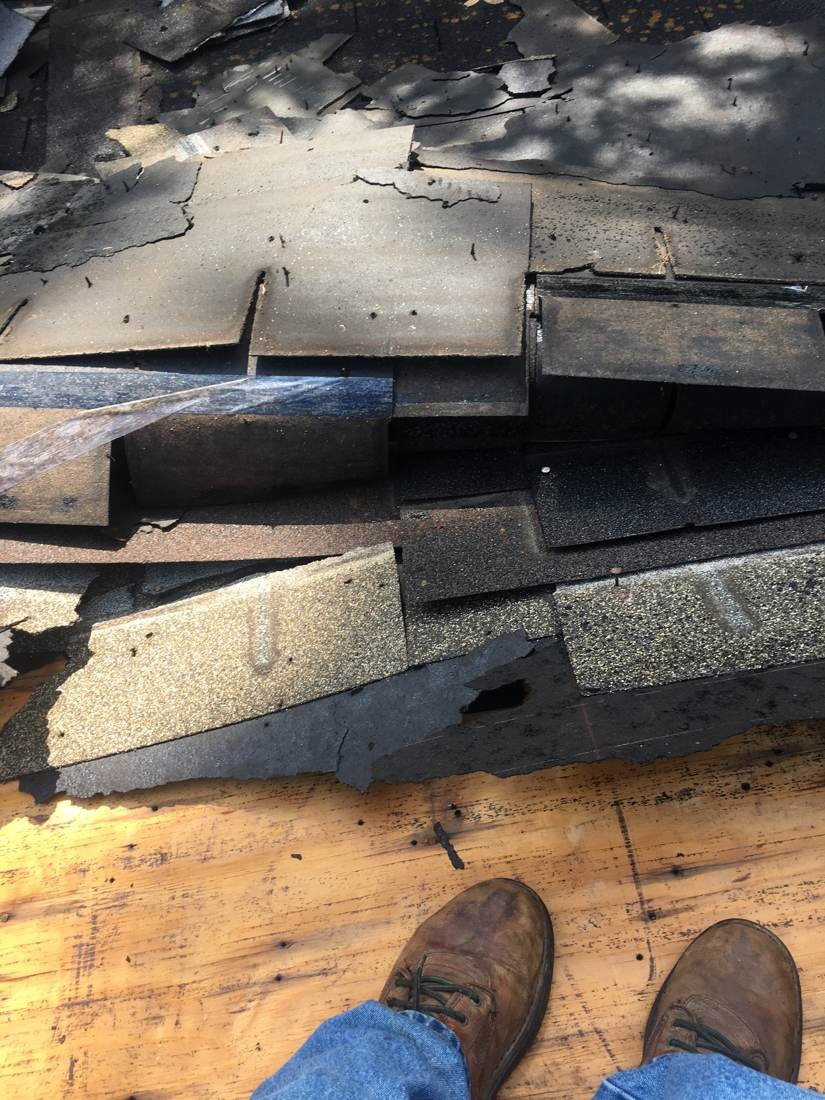
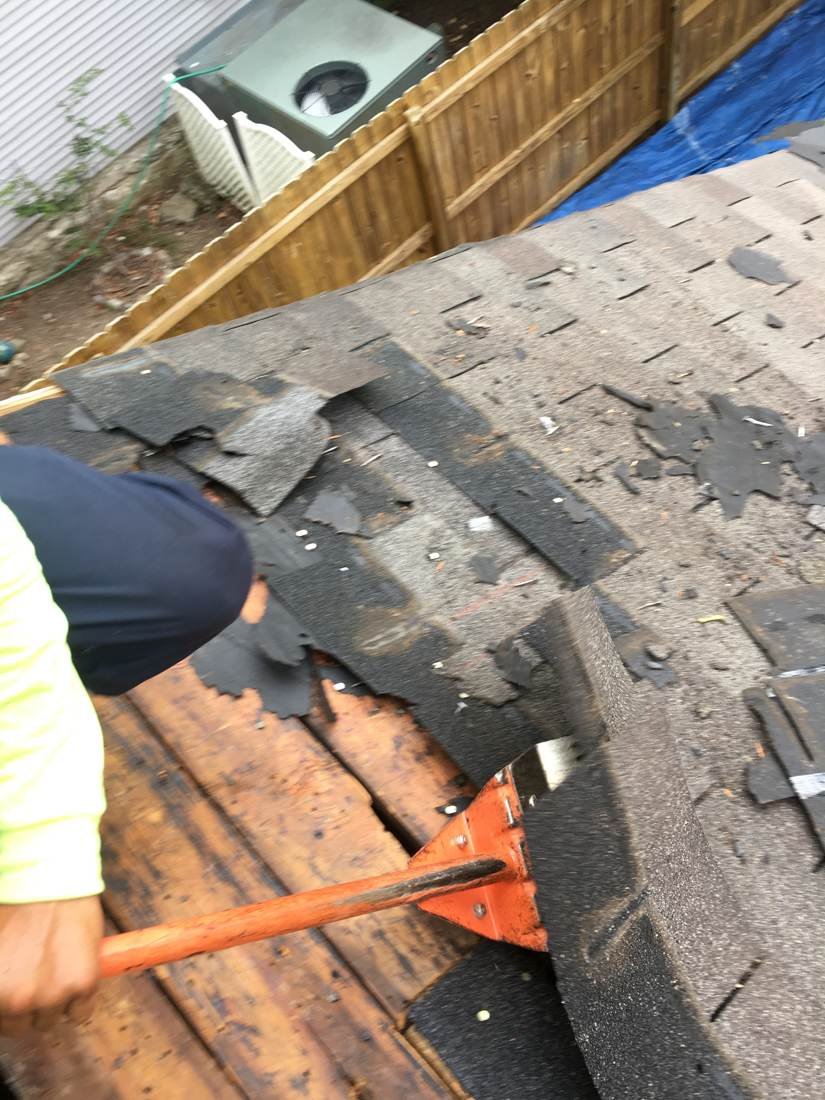
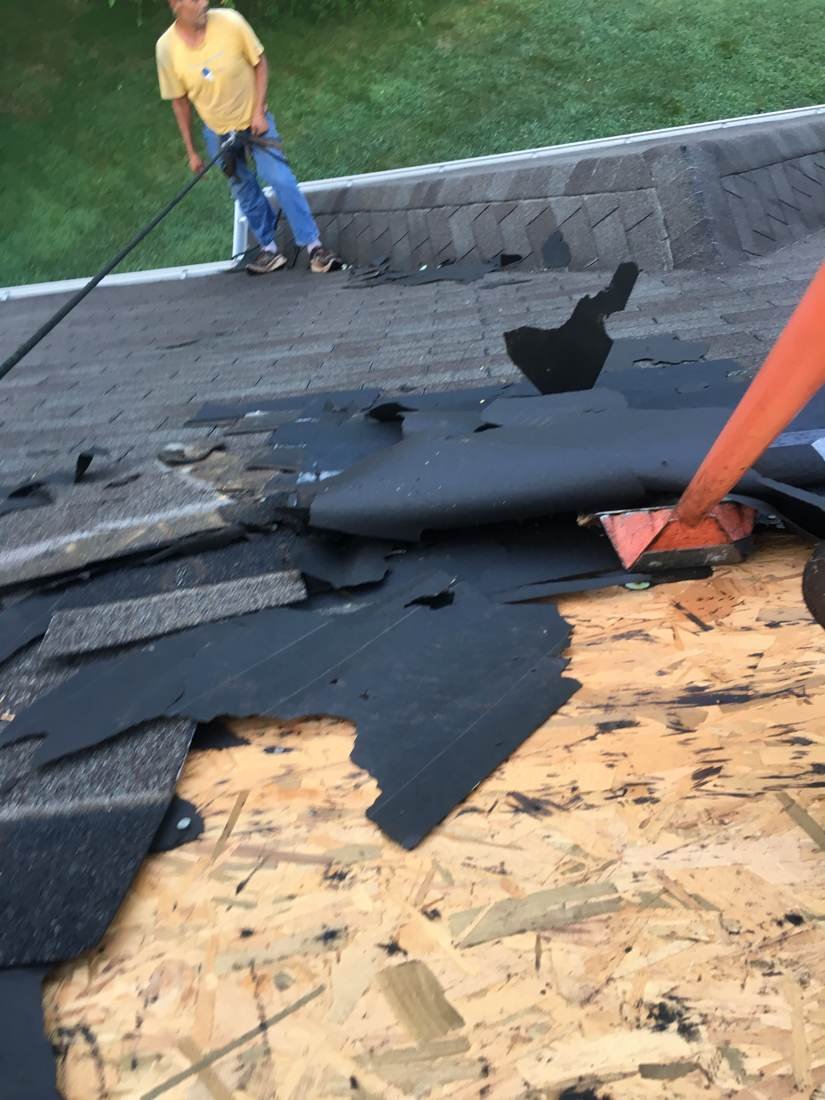
Real Jobsite Photos: Tear-Off and Prep
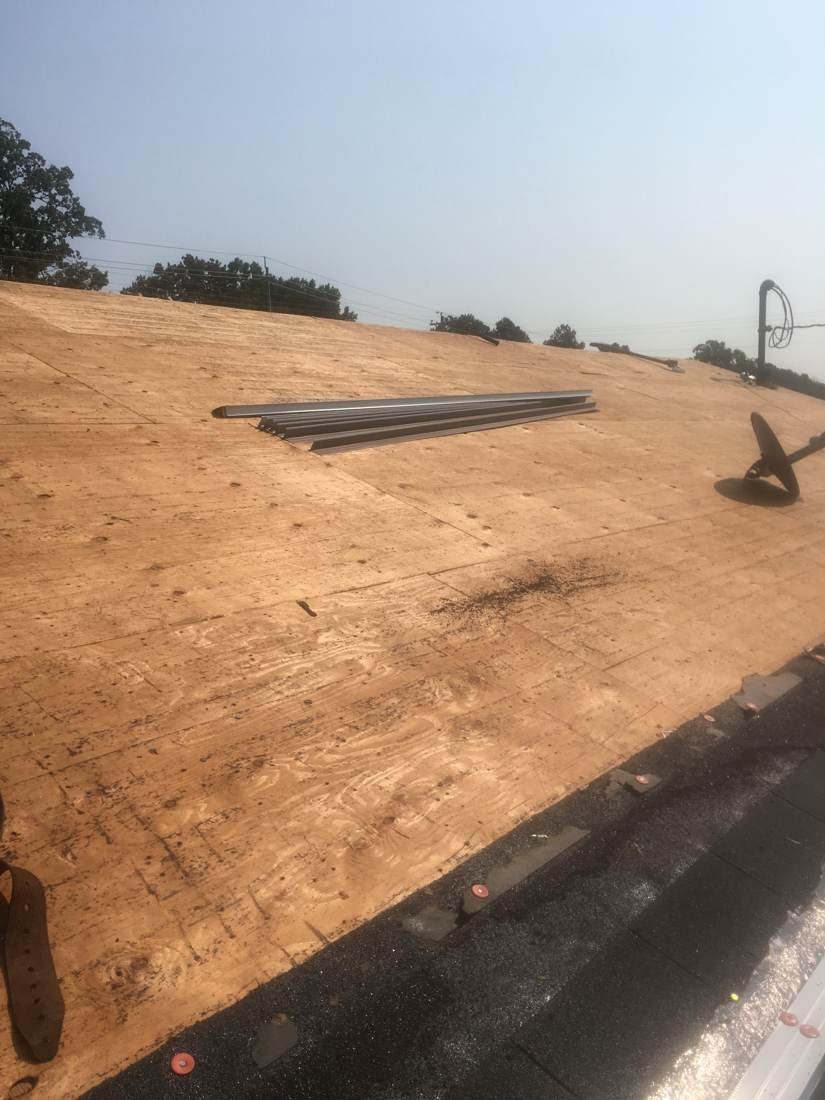
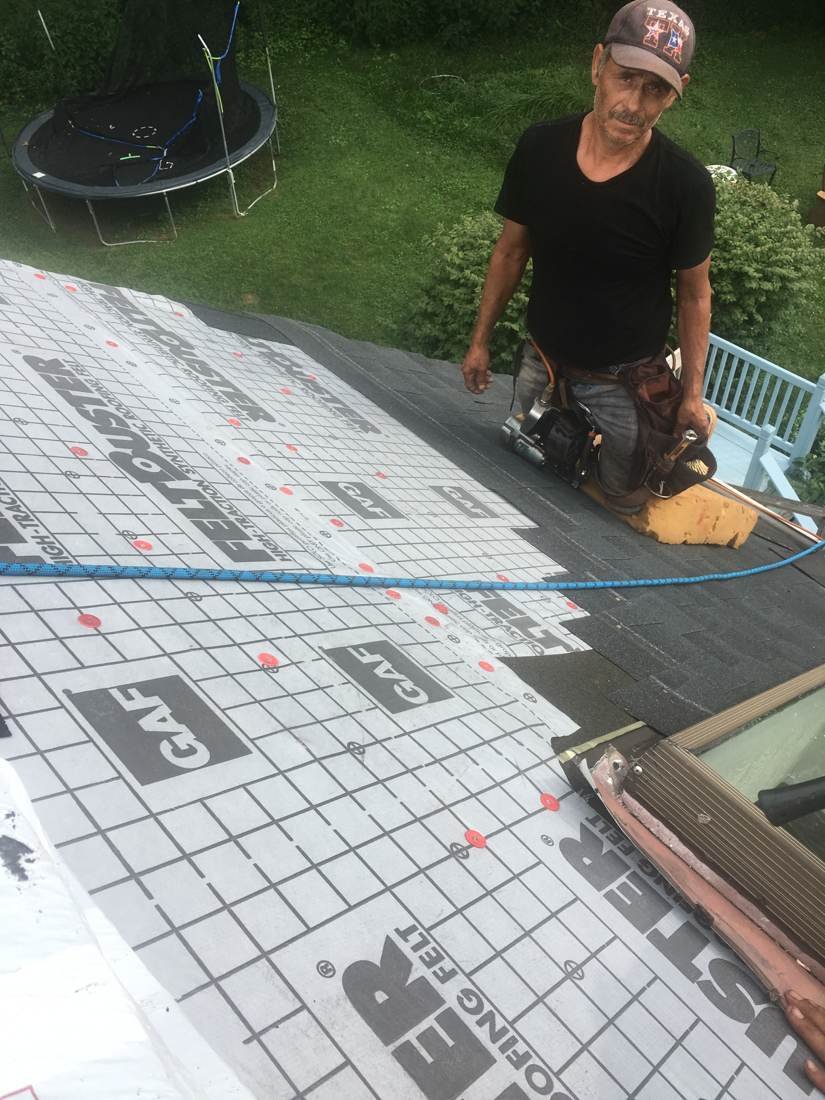
A look at what tear-off, underlayment, and decking prep actually look like on real GEJ Roofing jobs – these photos are from several different roof replacements.
Old, worn-out shingles removed during tear-off.A crew member tearing off an old shingle roof.Old felt underlayment being pulled up after shingle removal.Bare decking exposed and ready for new underlayment.A GEJ Roofing crew member installing synthetic underlayment.
Real Project Proof • Dickson, Tennessee
≈30 squares completed in one day
GEJ Roofing completed a 30-square replacement using Timberline HDZ architectural shingles in Charcoal, Cobra Rigid Vent 3, and Seal-A-Ridge Charcoal ridge cap shingles.
During tear-off, a small damaged section of decking was identified and replaced. The entire roof deck did not require replacement.
How will damaged decking be identified, priced, and documented?
Which shingles, ridge cap, underlayment, and ventilation components are specified?
How will flashing and pipe penetrations be handled?
What property-protection and cleanup steps are included?
How are changes approved before additional work occurs?
Which promises and terms are written into the agreement?
Roof-Replacement FAQ
Can you know whether decking needs replacement before tear-off?
Some damage may be visible during an evaluation, but concealed areas often cannot be confirmed until the old roofing is removed. A scope should explain how limited decking repairs will be documented and handled.
How long does a roof replacement take?
Duration depends on size, complexity, weather, material availability, access, and repairs discovered after tear-off. GEJ’s documented 30-square Dickson replacement was completed in one day, but that timeline should not be assumed for every roof.
Should ventilation be considered during replacement?
Yes. Intake and exhaust ventilation are part of the overall roofing system. Existing conditions and the proposed ventilation design should be reviewed as part of the scope.
Can a homeowner choose the shingle color?
Material and color selection are normally reviewed before scheduling. Availability and compatibility with the specified roofing system should be confirmed for the individual project.
Need a new roof?
Request an on-site roof evaluation.
Tell GEJ about the property, roof concern, timing, and any available photos.